
Overstimulation: How to Balance Intense Sensory Seeking Behavior
Overstimulation seems a contradiction of autistics, known for being sensory-averse. But some are thrill seekers who crave intense, sensory seeking experiences.
Overstimulation seems a contradiction of autistics, known for being sensory-averse. But some are thrill seekers who crave intense, sensory seeking experiences.

Autism in sports can be a big competitive advantage due to the hyper-focus many autistic players may have. Of course, it may depend on if the person wants to play and enjoys the sport.

Autistic anxiety often manifests in misunderstood ways. Take the freeze response, for example, referred to as the dreaded autism anxiety shutdown.

Autism meltdowns are a natural response to overwhelming sensory input or situations. There are ways to minimize their frequency and better cope.

Everyone has a to-do list. But when you feel restless with managing tasks until they are completed, you have task urgency.

A myth about autistic individuals is that they have a lack of empathy disorder— the ability to share in feelings of others. This stereotype is inaccurate and hurtful.
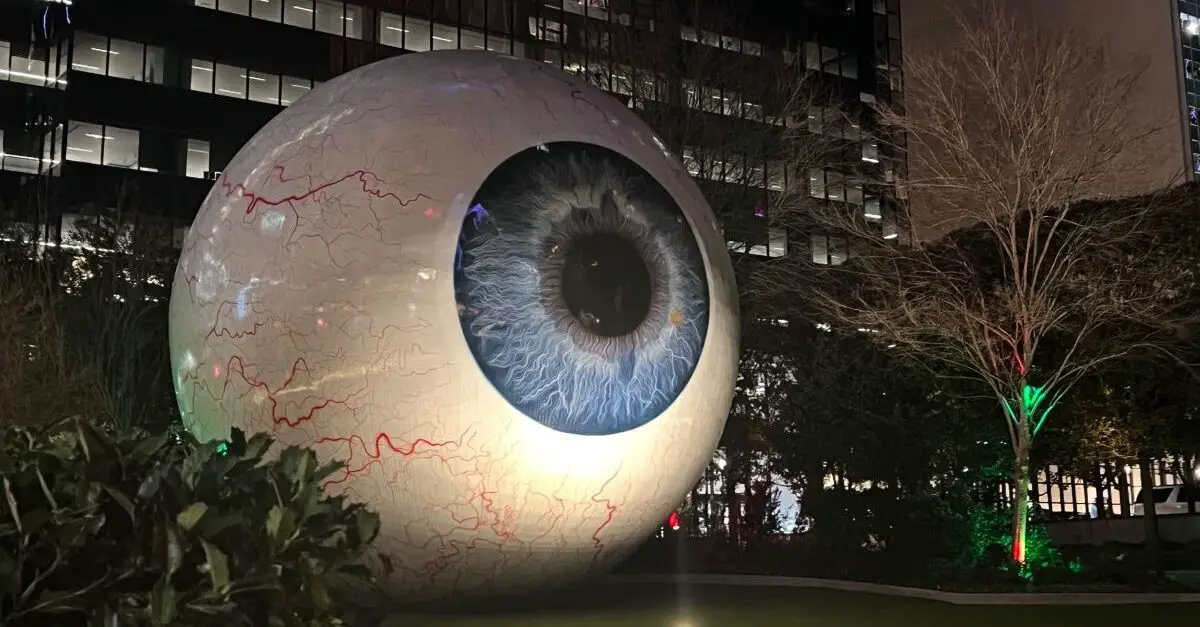
Eye contact is a form of human connection. But it can be extremely uncomfortable for some autistics, resulting in eye contact avoidance.

Autistic staring meaning can be simply a different way of sensory processing. Rather than being creepy; it helps make sense of things.

Autism and ADHD are considered similar mental health conditions, as they can present themselves in the same way. It can be confusing.

What is bed rotting? Despite its alarming name, the bed rotting trend refers to spending extended periods in bed, often as self-care. Learn more.

Is using autism as an excuse when a person on the spectrum is behaving badly okay? Sometimes yes, and other times no. Learn more.
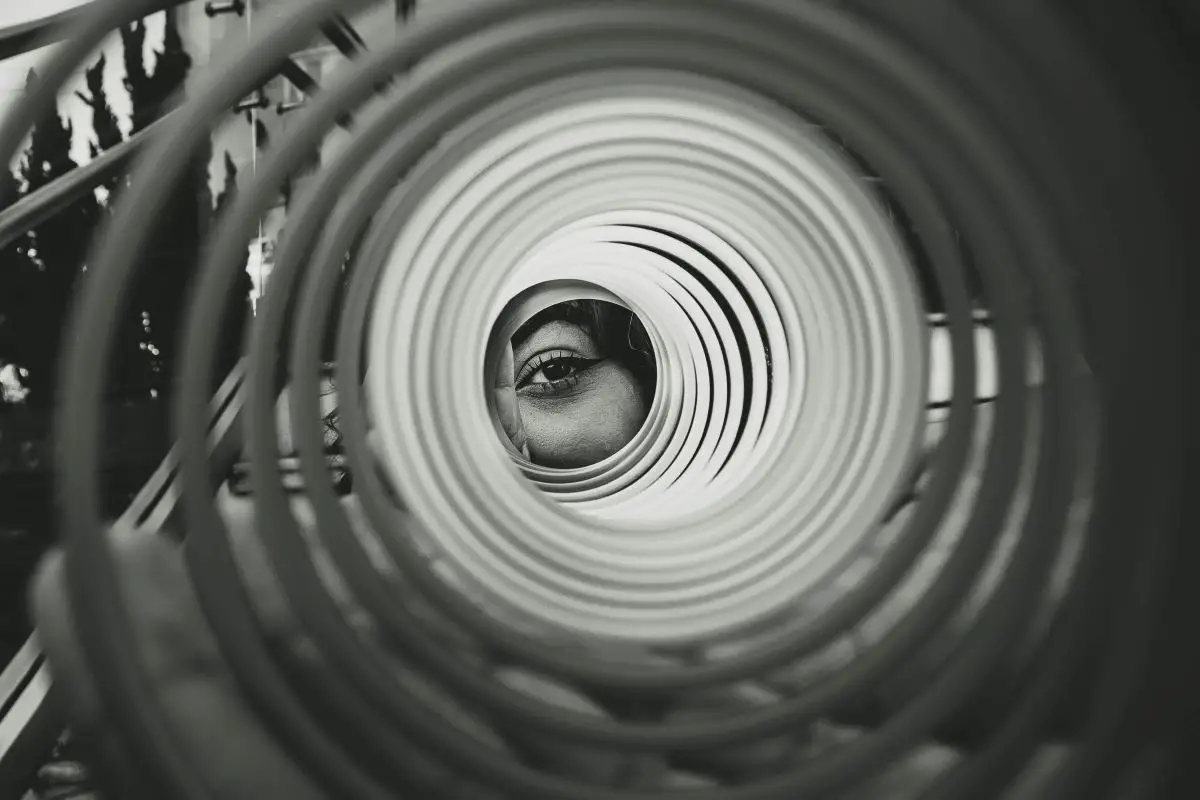
Have you heard the term “looping in”? With autism, it refers to a state of hyperintense focus, to the exclusion of anything else. Learn more.